Commutes, Queues and Late Nights: tk999 in the Gaps of the Day
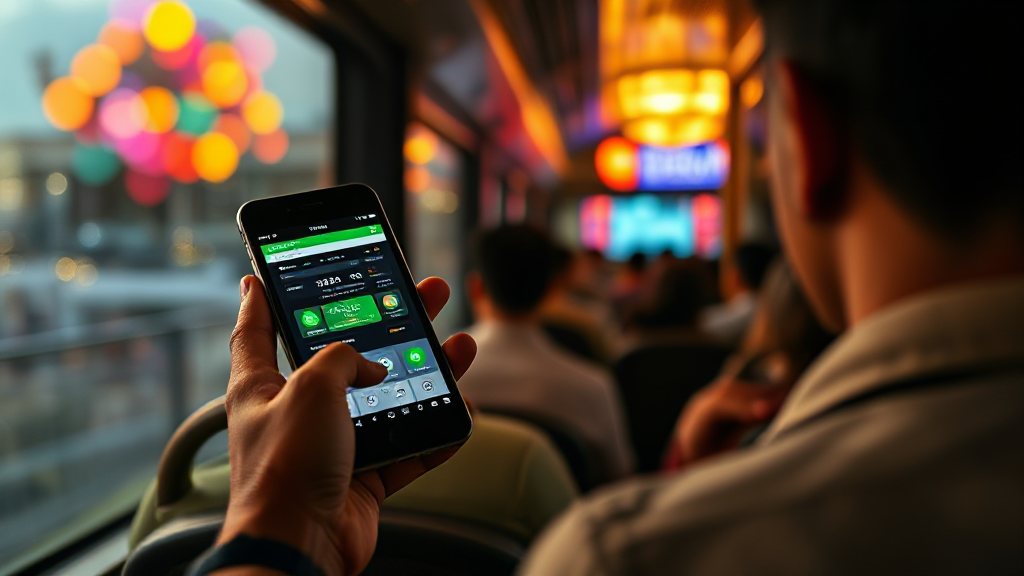
On the 6:40 bus home, the woman two seats ahead is tapping a phone screen with her thumb. The screen glows green and white, a small dashboard of numbers and icons. She is not scrolling social media. She is checking a live market, and the app she is using is tk999, a betting platform built for Bangladeshi users who want registration and a downloadable app rather than a desktop session. The scene raises a simple question: why does the same activity feel so different depending on where you are when you do it?
This is not a guide to odds or a pitch for bigger stakes. It is an observation about context. The same tap on a phone screen can feel like a private hobby during a commute, a small distraction in a queue, or a late-night ritual at home. The platform does not change. The moment does.
The commute: betting as a private interval
Public transport creates a strange kind of privacy. You are surrounded by people, but nobody is watching your screen closely. That makes the bus or the train a natural place for checking an account, reading a market, or completing a quick registration. The phone becomes a small room you carry with you.
On tk999, the mobile app is the main entry point, and that matters for the commute. A downloadable app loads faster than a browser session, fits a small screen, and lets a user move between sports markets and casino-style games without opening a laptop. The activity fits the gap between two stops.
There is a trade-off, though. A commute is full of interruptions: a sudden brake, a change of platform, a conversation. Users who treat the journey as a serious session often make rushed decisions. Treating it as a quick check is safer and more honest about the environment.
- Check your account balance before you start, not mid-session.
- Use the app’s saved login so you are not typing a password on a moving bus.
- Decide in advance how long the session lasts, then close the app.
Queues: the small, stop-start session
A queue at a bank, a hospital, or a mobile recharge counter is dead time. It is also unpredictable. You might wait four minutes or forty. That uncertainty shapes how people use betting apps: short bursts, quick glances, and a lot of closing and reopening.
This is where the registration and login flow matters more than the games themselves. A platform that asks for too many steps loses the queue user. A platform that remembers the session keeps them. The best queue session is one that ends before the queue does, because the user leaves with attention intact.
Queues also expose a common mistake: using a public or shared phone for a betting account. If a friend or family member picks up the device, the account is exposed. A PIN or biometric lock on the app is not optional in this context.
Why queue sessions feel different
A queue has a visible end. That makes the activity feel temporary, almost like a game in itself. Users often place smaller, quicker bets in a queue than they would at home. The environment sets the size of the decision.
Late nights: the long, quiet session
At 11 p.m., the house is quiet and the phone is the only light. This is the opposite of the commute: no interruptions, no audience, no time limit. Late-night sessions tend to be longer, more deliberate, and more reflective. Users read more, compare more, and sometimes stay longer than they intended.
The risk here is not distraction but drift. Without a natural stopping point, a session can stretch past the point of good judgment. On tk999, the app is designed for quick access, which is convenient during the day and easy to overuse at night. A simple rule helps: set a time or a spending limit before the session starts, not after.
Late nights also change the type of activity. Sports markets may be quieter, while casino-style games remain available. The mix shifts, and so does the pace. A user who notices the shift can decide whether it is the right moment to continue.
What the app changes about the gaps
The downloadable app is the thread that connects these three scenes. It removes the need for a laptop, shortens the distance between intention and action, and makes the phone the default venue. That is convenient, but it also means the gaps in the day are no longer empty.
For a Bangladeshi user, the app also solves practical problems: it works on a mobile connection, fits local payment habits, and avoids the friction of a full desktop site. The platform’s registration flow is built around that reality. The result is a betting experience that lives where the user already is, rather than asking the user to go somewhere else.
| Context | Typical session | Main risk |
|---|---|---|
| Commute | Short, interrupted | Rushed decisions |
| Queue | Brief, stop-start | Shared device exposure |
| Late night | Long, quiet | Session drift |
Common mistakes that show up in every gap
The same errors appear whether the user is on a bus, in a line, or on a sofa at midnight. Most of them are about attention rather than knowledge. People know the rules; they simply apply them less carefully when the environment is crowded or tired.
One common mistake is treating a gap as free time rather than limited time. A commute is not a session; it is a few minutes between two places. A queue is not a session; it is a wait. Naming the gap correctly makes it easier to keep the activity small.
Another mistake is skipping the setup. Users who register in a hurry often forget to secure the account, set limits, or check the payment method. Those small omissions cause most of the friction later. A few minutes of preparation at home saves trouble on the bus.
- Registering on a shared phone without a lock.
- Starting a session without a time or spending limit.
- Chasing a loss because the queue is still not moving.
- Ignoring the app’s account and security settings.
The same activity, a different feel
What the bus, the queue, and the late-night sofa reveal is that betting is not one experience. It is a set of small experiences shaped by the moment. The platform provides the tools, but the context provides the mood. A user who notices the difference can enjoy the gaps without letting them take over the day.
The woman on the 6:40 bus closes her app when her stop is called. That is the whole point. The gap opens, the activity happens, and the gap closes again. tk999 fits into those spaces because it is designed for a phone, but the discipline of closing the app belongs to the user, not the platform.